
indica/sativa doesn't mean what you think it means.
if you've been around cannabis for more than a week, you've heard it.
indica = in-da-couch. sativa = energetic, creative, uplifted.
cute, but not really accurate.
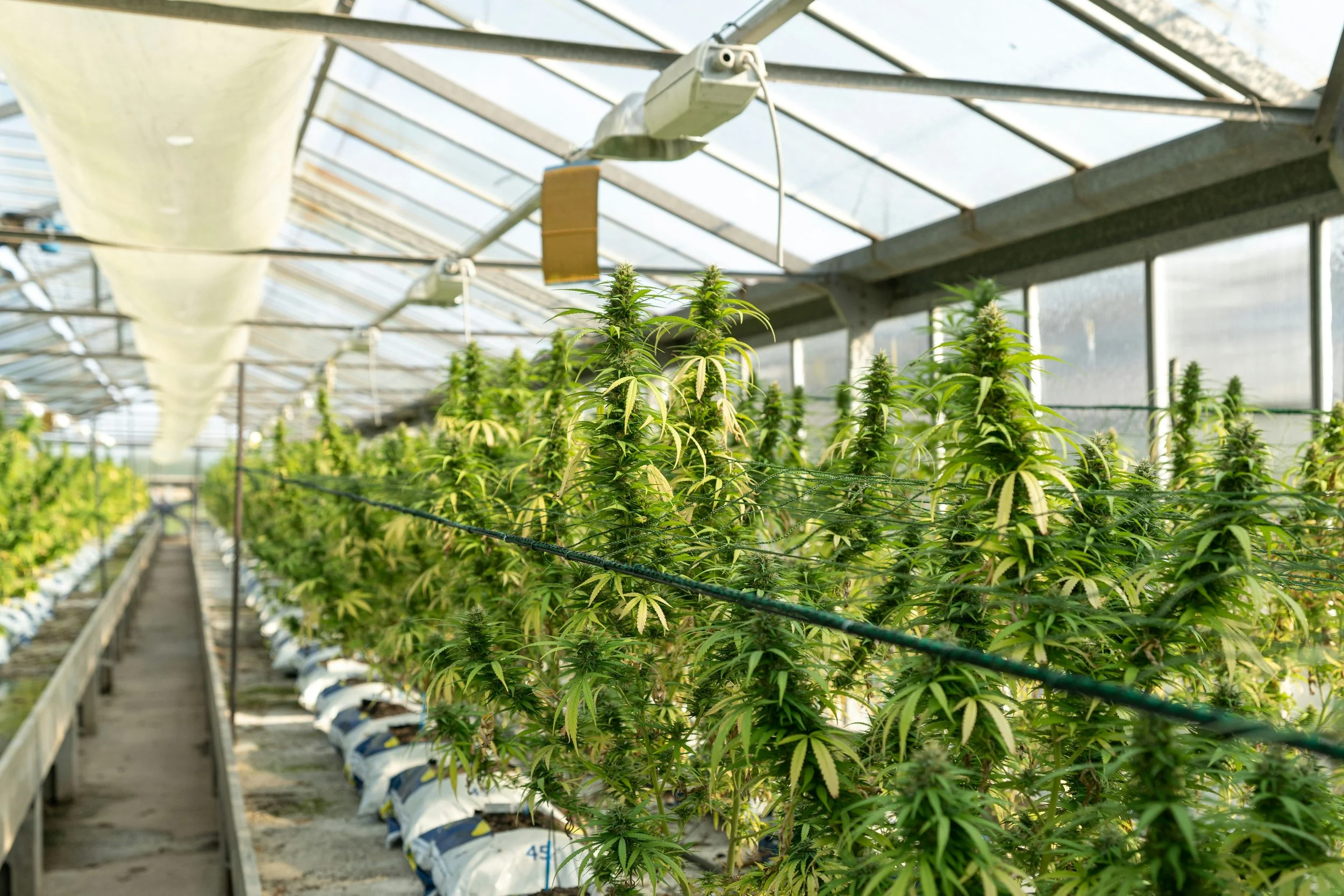
those labels weren't created to describe effects at all. they were about how the plants looked while growing. indica plants were short and bushy, sativa plants were tall and wispy. gardening terms, basically. botanists in the 18th century used them to sort cannabis by physical structure and where it grew — indica from the hindu kush region, short and dense and fast-flowering; sativa from equatorial regions, tall and loose and slow. neither had anything to do with how the plant made you feel. that association came later, through cannabis culture and marketing, not science.
somewhere along the way those words became shorthand for sleepy and energetic, and now here we are, trying to predict our highs with a system that was never built to explain highs in the first place. it gets shakier the closer you look. almost every strain on the shelf today is a hybrid, bred over decades for specific traits, so a "pure indica" or "pure sativa" is mostly a myth at this point. what the jar calls indica or sativa is really just a nod to lineage and structure, not a reliable promise about your night.
so what should you actually go by?
terpenes, mostly — the aromatic compounds that do a lot of the real work in shaping a high — along with the grower and your own track record. a so-called sativa loaded with myrcene might flatten you into the couch; an indica high in limonene might leave you bright and chatty. the label didn't see that coming. the terpene profile would have. (we wrote a whole guide to the big six terpenes if you want the map.)
your own biology matters just as much. your tolerance, your mood, your setting, what you ate — all of it shapes how any strain lands on a given day. so stop shopping by category and start shopping by effect, terpene, and grower, and keep track of what actually works for you. over time you'll spot patterns no indica/sativa label could ever predict.
the label on the jar isn't your guide. your own history is.