
how to actually find strains you'll like.
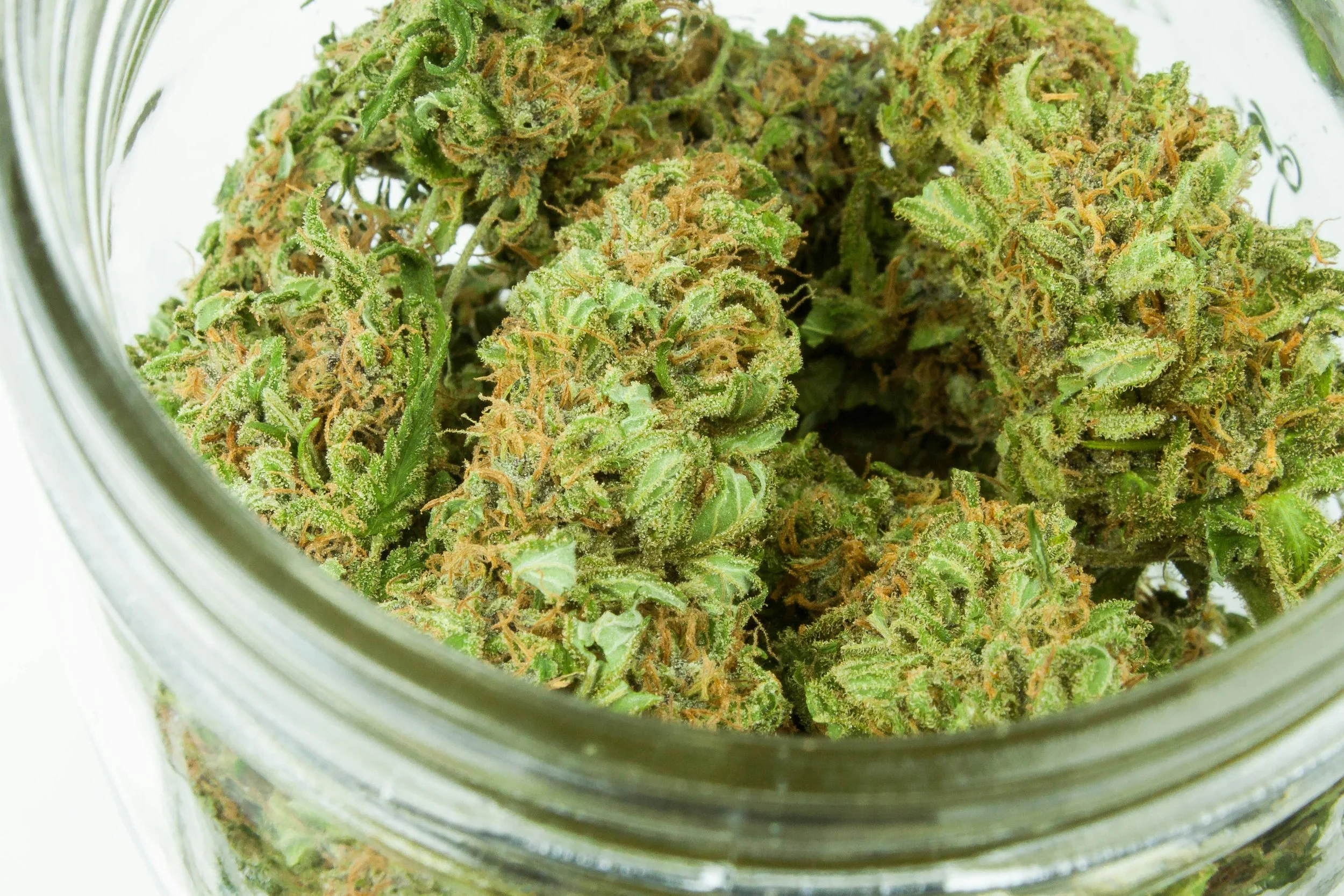
here's how most people pick a strain: stand at the counter, scan a wall of names that all sound like cartoon villains, ask the budtender for their opinion, and hope. sometimes it works. usually it's fine. and every once in a while you stumble into something perfect — and then can't find it, or anything like it, ever again.
there's a better way, and it's not complicated. it's the same way you'd find new music or new food: start from something you already love and follow the threads out from it.
so start with an anchor. think of the best cannabis experience you've had, the strain that did exactly what you wanted — that's it, you only need one. (can't remember the name? we've all been there. the next strain you try that genuinely works becomes the anchor instead.) everything from here is about understanding why that one worked, so you can find its relatives.
understanding it means looking past the category. not "indica or sativa" — those labels barely predict anything, which is its own whole story. look one level deeper, at two things. first, lineage: strains have parents, and the apple doesn't fall far, so look up what your anchor was crossed from — the parent strains and their other offspring are your most promising leads. it's the cannabis version of "fans of this artist also like." second, terpenes: check the label or look up the typical profile, and if your anchor leads with, say, limonene and pinene, you've just learned something about yourself that holds across every strain, not only this one. (we wrote a whole guide to the big six terpenes if you want the map.)
then change how you shop. "what's good?" gets you whatever's overstocked; specifics get you expertise. walk in with your anchor — "i loved this one, the way it relaxed me but i could still focus, what do you have that's close?" — and a good budtender lights up, because now they have something to work with. (this is also the fastest way to tell whether you're in a good shop, which is a post of its own.)
when you do try something new, change one variable at a time. buy small while you're exploring, a gram, not an eighth, and try one new thing per visit, not four. swap the strain, the grower, and the method all at once and it's great, you've learned nothing — you can't tell which change mattered. the grower is the underrated one: the same strain from two farms can be wildly different, and when you find one whose flower consistently hits for you, their whole shelf is suddenly worth a look. in the pnw we're spoiled for craft growers who earn that kind of loyalty.
and then write it down. this is the step everyone skips and the one that makes the other four compound. strain, grower, what it smelled like, how it felt, one honest sentence. after five or six entries you stop being someone who "kind of remembers liking something purple" and start being someone with a map — these terps, those genetics, this grower, that time of day. the dispensary wall stops being random because you stopped being random.
paper works. notes app works. we built easyhour because we wanted that map to build itself — log a session in thirty seconds, and your patterns, your stash, and honest picks from people near you all live in one quiet place.
however you do it: anchor, threads, small experiments, notes. that's the whole system. the perfect strain isn't hiding from you. you just haven't been leaving yourself a trail.