
what are terpenes (and why they matter more than thc)
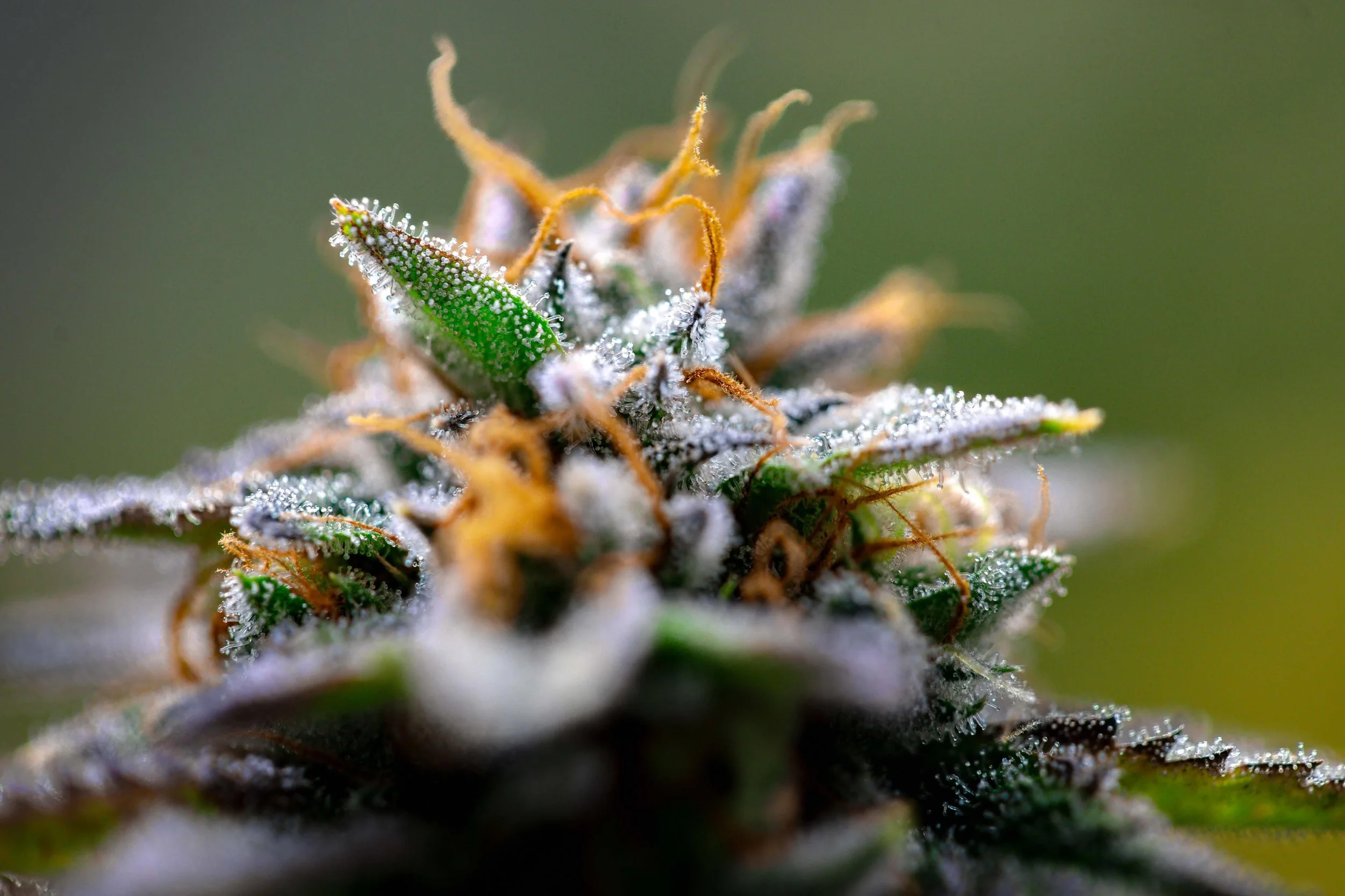
we've already made our case that thc percentages don't tell you how you're going to feel. fair question, then: if not the number, what should you be looking at?
terpenes. and once you start paying attention to them, cannabis stops being a guessing game.
so what are they?
terpenes are the aromatic compounds that give plants their smell. they're not unique to cannabis — they're everywhere. the sharp clean smell of a pine forest is pinene. the calm of lavender is linalool. the brightness when you zest a lemon is limonene. cannabis just happens to produce them in unusual variety and abundance, and every strain carries its own blend.
that blend is why two jars with the same thc number can feel like completely different experiences. the terpenes are doing a huge amount of the work — shaping the flavor, the smell, and by most accounts, the character of the high itself. the science on exactly how is still young, but the pattern is consistent enough that growers breed for it and seasoned smokers shop by it.
the big six
you don't need a chemistry degree. these six cover most of what you'll meet:
myrcene — earthy, musky, a little like ripe mango. the most common terpene in cannabis, and the one most associated with that heavy, sink-into-the-couch feeling. strains that smell deep and dank usually lead with it.
limonene — citrus, plain and simple. lemon, orange, grapefruit. tends to show up in strains people describe as bright, mood-lifting, daytime-friendly.
pinene — pine needles and fresh forest. often linked with clear-headed, alert highs. if a strain smells like a hike, this is why.
linalool — floral and soft, the lavender terpene. shows up in strains people reach for to unwind, and it's the same compound that makes lavender a bedtime smell everywhere else.
caryophyllene — black pepper, clove, warm spice. the interesting one: it interacts with the body differently than the others, and it tends to appear in strains people describe as relaxing without being sleepy.
terpinolene — fruity, floral, a little piney all at once. less common, but strains that lead with it are often described as energetic and creative.
none of these are guarantees — your mood, your tolerance, and your setting still run the show. but they're far better signposts than a percentage.
how to actually use this
first: smell the jar.
your nose is a better instrument than you think. if a strain smells incredible to you — genuinely mouthwatering, not just strong — that's real information. people consistently end up loving the strains they're drawn to by smell.
second: look for terpene profiles on labels.
more and more pnw growers print their top terps right on the package, with percentages. a strain listing myrcene and linalool up top is telling you what kind of evening it has in mind. if the label doesn't say, ask your budtender — good shops have the test results.
third: — and this is the part most people skip — keep track.
notice a pattern in your own life: maybe every strain you've loved leads with limonene, or everything that made you anxious was a terpinolene bomb. that's not trivia, that's your personal map. it's exactly the kind of pattern we built easyhour to surface — log a few sessions with the terps noted, and your own data starts pointing at what to buy next.
the number on the label tells you almost nothing. the smell tells you almost everything. trust your nose, take notes, and the dispensary wall stops being a wall.