
thca vs thc: what's actually the difference?
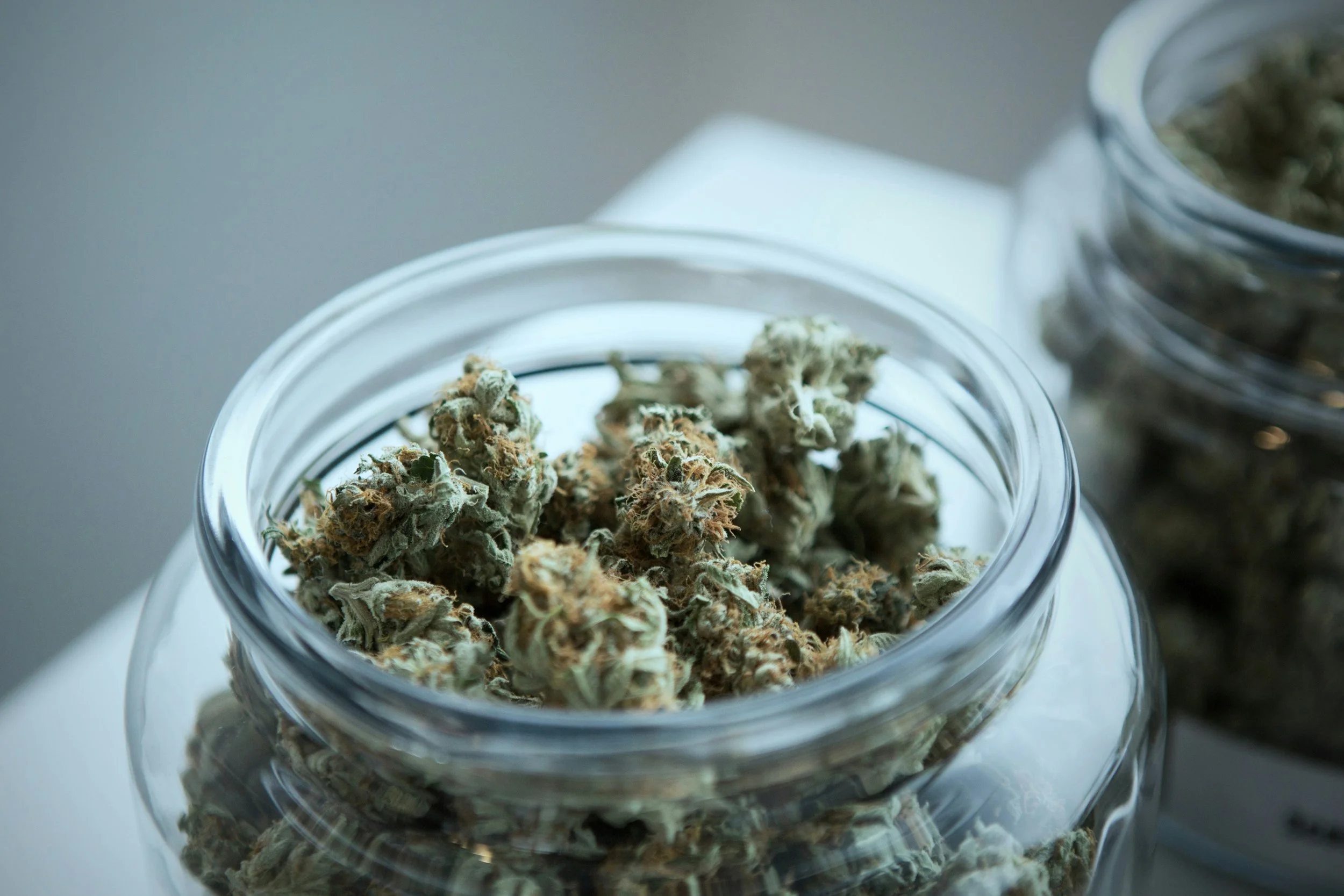
if you've ever wondered about thca vs thc — why your dispensary jar lists one and not the other, or how "thca flower" shows up for sale online in states where weed isn't legal — you're asking the right question, and the answer is simpler than the internet makes it sound. here's the whole thing, calmly, in one place. no hype, no agenda.
start with the one-sentence version: thca is what's in the raw plant, thc is what you get after heat. same core molecule, one small difference, and that difference is the entire story.
fresh, unheated cannabis barely contains any thc at all. what it actually contains is thca — tetrahydrocannabinolic acid. that extra "a" is an acid group hanging off the molecule, and while it's attached, the compound is too big to fit the receptors in your brain that produce a high. this is why eating a raw nug does nothing; you could chew on fresh flower all day and stay completely clear-headed. then you apply heat — a lighter, a vape, an oven — and it snaps that acid group off, the molecule sheds a little weight as carbon dioxide, and what's left is thc: the right shape, finally, to do what thc does. chemists call it decarboxylation. you can call it the part where it actually works. thca is just thc wearing a jacket it can't get through the door with, and heat takes the jacket off.
that's also why your dispensary jar says thca instead of thc. the lab tests the flower while it's still raw, before anyone's smoked it, so the number it reports is mostly thca — that's what's in the plant at that moment. but you're never going to consume it raw, and the conversion isn't one-to-one: the molecule loses a bit of weight on the way, so only about 87% of the thca becomes thc. quick mental shortcut — take the thca number, knock off a little over ten percent, and you're closer to what you'll actually feel. a jar labeled 28% thca lands around 24 to 25% once it's lit. so the big scary-looking number isn't a different, stronger thing. it's just thc measured before the heat, with a little extra that burns off.
the legality is where it gets genuinely worth paying attention, because the rules are mid-change. for the last few years you've probably seen "hemp-derived thca flower" for sale online, in gas stations, in smoke shops, in states where cannabis isn't legal. that wasn't a scam or a glitch — it was the law working exactly as written, just not as anyone intended. the 2018 farm bill drew the line between legal hemp and illegal marijuana using one number: delta-9 thc below 0.3% by dry weight. but raw flower is mostly thca, not delta-9, so a bud could test at 25 or 30% thca and still squeak under the line, making it "hemp" on paper — until you heat it at home and it converts to a fully psychoactive amount of thc. that gap was the entire reason the market existed. it's closing: in late 2025 congress passed a fix that redefines hemp using total thc, a formula that finally counts the thca too. it takes effect november 12, 2026, and reclassifies most of that online thca flower as marijuana under federal law. state-legal programs like washington's aren't touched by this — it's about the hemp loophole, not licensed dispensaries. laws vary by state and are moving fast right now, so it's worth checking what actually applies where you are.
this is also where those two terms people argue about online come from: "hemp-derived" and "cannabis-derived." it sounds like a chemistry distinction. it isn't. delta-9 thc is delta-9 thc — the molecule is identical whether the plant it came from got classified as hemp or as marijuana, and your body can't tell them apart. what the labels actually mark is the source plant and the legal lane it travels in. the catch is that hemp naturally carries almost no delta-9, so hemp-derived thc usually has to be concentrated, or chemically converted from cbd, to reach a dose you'd actually feel. which means the word "hemp" was never the thing to watch. what matters is how much processing happened to get there, and whether anyone tested the result. cannabis-derived thc from a licensed dispensary went through mandated state testing. a hemp-derived product might come with a clean third-party lab report, or it might come with nothing at all. same molecule, wildly different amount of certainty about what's actually in your hand.
so, three things to walk away with. the molecule is essentially the same — thca is just thc before heat, and the percentage only looks big because it's measured raw. heat is the on-switch, which is why raw cannabis does nothing and why edibles have to be made with already-decarbed flower. and where it came from is what determines what you actually know about it: a tested product from a licensed source tells you its real cannabinoid content, its terpenes, what it was grown with, while the same molecule from an unregulated channel might be wonderful or might be a mystery. the difference was never the thc. it's the paper trail behind it.
which is the whole reason easyhour exists, honestly — not to tell you what to consume, but to help you remember what actually worked for you. and what worked is a lot easier to find again when you knew what was in it the first time.