
what does cbd actually do? (and how it's different from thc)
easyhour notes — 017
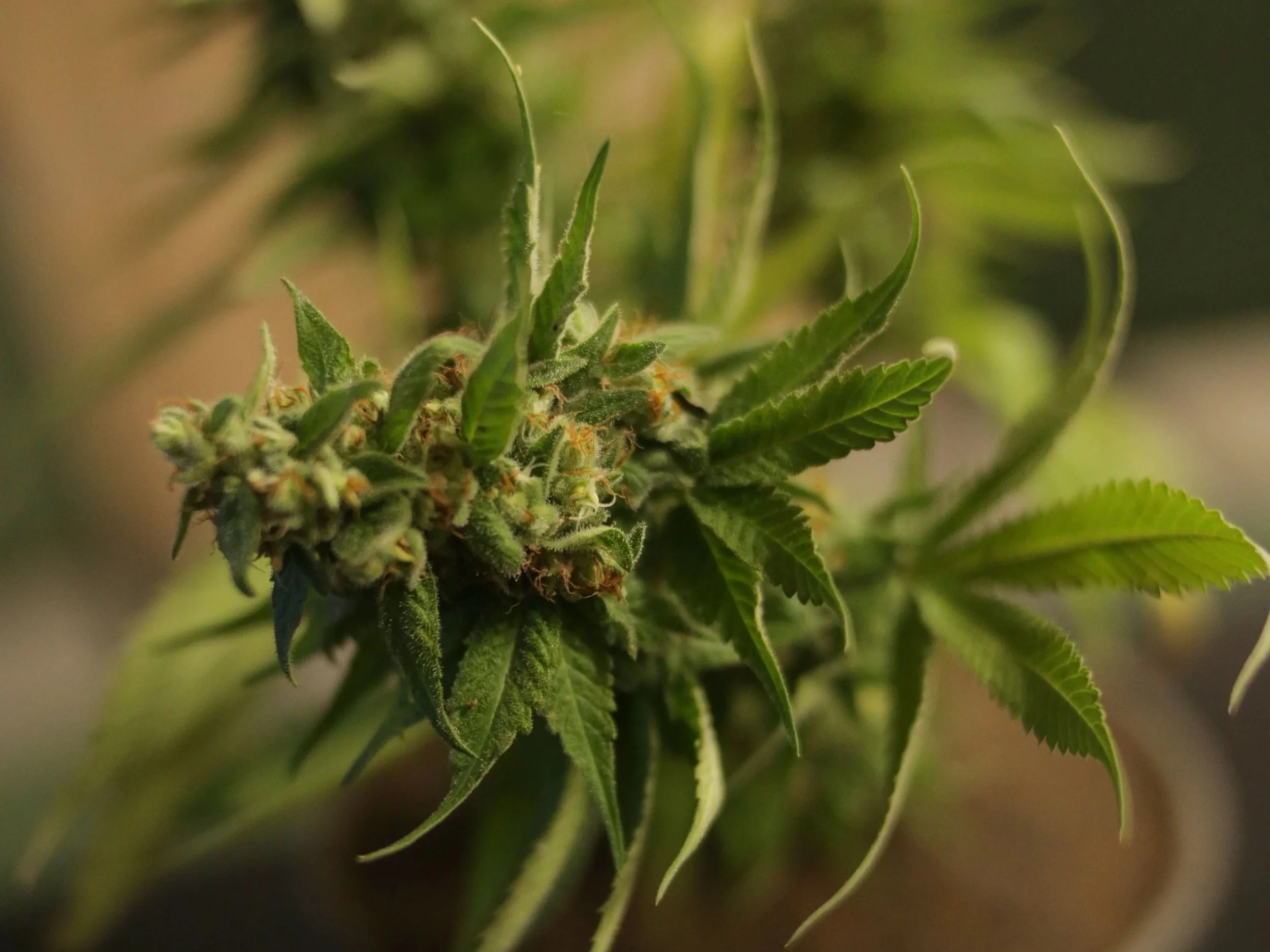
cbd is the cannabinoid everyone's heard of and almost nobody can quite explain. it's in everything now — oils, gummies, seltzers, dog treats, face cream — and the marketing around it runs from reasonable to absurd. so here's the plain version: what cbd actually is, what it does, and where the hype outruns the evidence.
start with the one difference that matters: cbd doesn't get you high. thc is the compound responsible for the high — the head change, the euphoria, the altered everything. cbd is its non-intoxicating sibling. you can take a meaningful amount of pure cbd and feel calmer or looser, but you won't feel stoned, you won't stop functioning, and you won't get the heady part people associate with weed. same plant family, very different jobs.
that's because the two work differently inside you. thc fits neatly into a set of receptors in your brain and switches them on, which is what produces the high. cbd barely touches those same receptors — instead it works more indirectly, nudging your body's own systems, and, interestingly, getting in thc's way a little. that last part is the genuinely useful bit: cbd softens thc's rougher edges, including the anxiety and racing-heart feeling that come from too much thc. it's why a product with some cbd alongside the thc often feels rounder and more manageable than thc alone. (we get into that balance in the post on why weed sometimes makes you anxious.)
so what is cbd actually good for? the most defensible answer is calmer, and less than the internet claims. the strongest evidence is narrow and specific — there's an fda-approved cbd medication for certain rare seizure disorders, which tells you the compound genuinely does something real in the body. beyond that, a lot of people use it for everyday anxiety, sleep, and minor aches, and plenty report it helps; the formal research there is still young and mixed, promising in places but nowhere near the cure-all a seltzer label implies. the honest framing is that cbd is a mild, low-risk thing that helps some people with some things — not a miracle, and not nothing.
a few practical notes if you're going to try it. the dose tends to run higher than people expect — a meaningful amount is usually tens of milligrams, not the trace in a trendy drink. it's biphasic in its own quiet way, too: smaller amounts can feel slightly clarifying, larger amounts more sedating, which is why a little in the morning and more at night both make sense. and because cbd is sold largely outside the tested, regulated cannabis system, quality is all over the map — a product is only as trustworthy as its third-party lab report, which is the same lesson that runs through everything we write about where your cannabis comes from. (more on that in the thca piece and the one on hemp gummies.)
the short version: thc changes how you feel, cbd mostly changes the edges of how thc feels, and on its own it's a gentle calming compound worth trying for yourself and not worth believing the loudest claims about. like everything else around here, the only way to know what it does for you is to pay a little attention to what it does for you.