
why does weed sometimes make you anxious? (and how to feel it less)
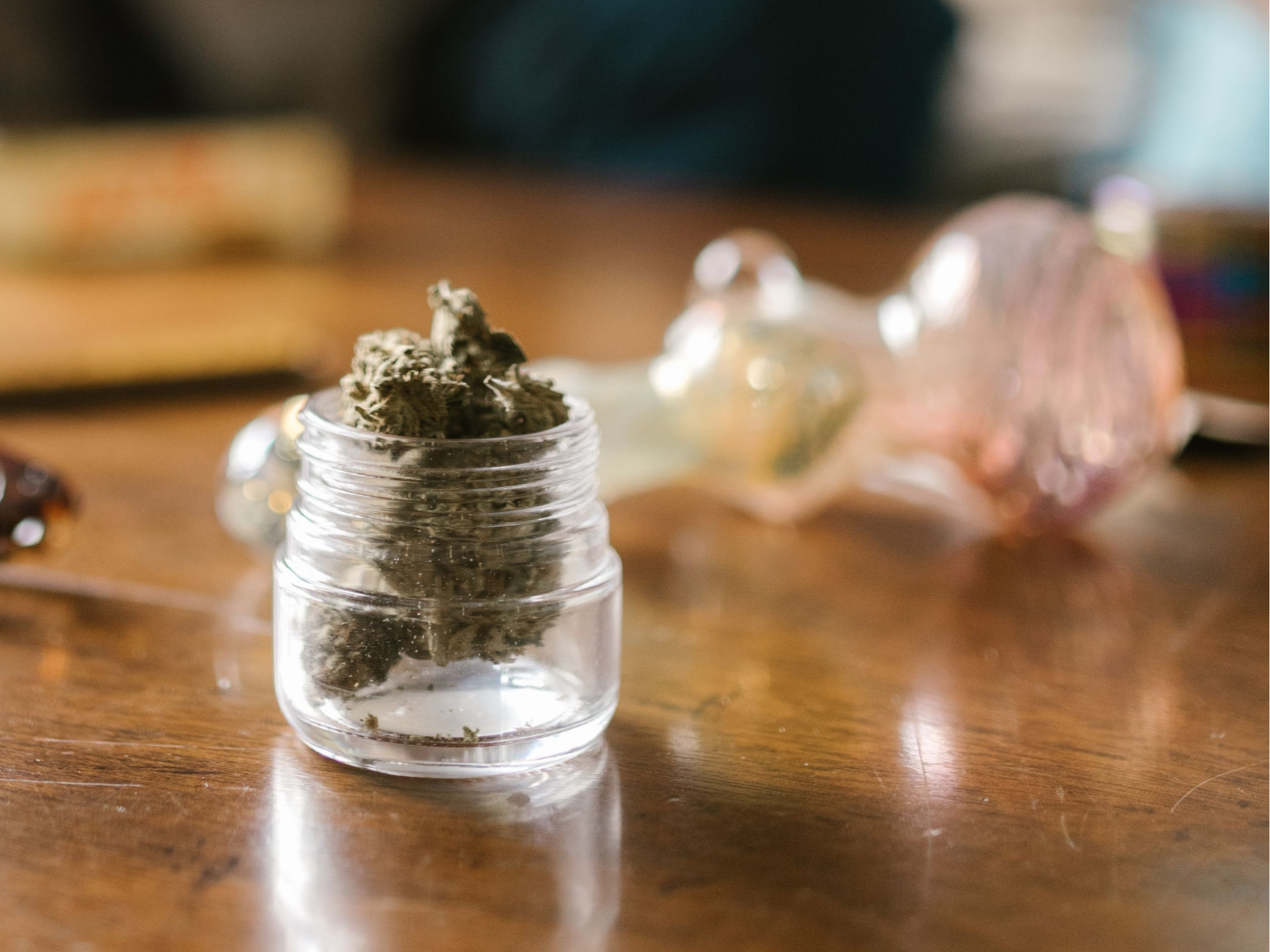
it's one of the stranger things about cannabis: the same plant that calms one person down sends another spiraling, and sometimes it's the same person on two different nights. you've probably felt both. the good news is it isn't random, and once you understand what's actually happening, it's mostly avoidable.
the core of it is something researchers call the biphasic effect — a technical way of saying thc does opposite things at different doses. a little tends to ease anxiety: that loose, unclenched, the-day-can-end-now feeling. too much can tip the other way, into a racing heart, a loud head, and the certainty that everyone can tell. it's the same compound the whole time. the dose is what flipped. caffeine works the same way — one cup wakes you up, four leave you jittery and wired — and nobody decides coffee is "bad," they just learn their number. thc is no different, the window is just narrower and easier to overshoot, especially with edibles.
so the single biggest lever is dose, and it points one direction: lower than you think. most people who get anxious on cannabis are simply taking more than their body wants, often without realizing it, because tolerance and product potency both creep up over time. starting low and giving it real time to land — particularly with edibles, which can take two hours — is most of the battle. (we get into why edibles are so easy to overshoot in the edibles post.)
dose isn't the only thing, though. cbd, thc's non-intoxicating sibling, takes the edge off thc's anxiety — it nudges the same receptors in the opposite direction, so a strain or product with some cbd in it alongside the thc tends to feel rounder and less likely to spike. terpenes play a quiet part too: the ones associated with calm, like linalool, the lavender note, and limonene, the bright citrus one, show up again and again in the strains people reach for to unwind, while a heavy, racy, high-thc strain with none of that balance is the usual suspect when a session goes sideways. (more on reading a strain by its terpenes here.)
and then there's everything that isn't the plant at all. your state going in matters enormously. stressed, underslept, hungry, or somewhere that already feels tense, and cannabis tends to amplify whatever's already there rather than override it. set and setting isn't hippie talk, it's just true — the same strain lands completely differently when you're safe and unhurried than when you're anxious and rushing.
if it does tip into anxiety mid-session, the most useful thing to know is that it passes, and that nothing is actually wrong. you're not in danger; your body is briefly overwhelmed, and it will even out. (we wrote a whole calm walkthrough for exactly that moment.) but the better move is upstream: notice which strains, doses, and settings keep you in the good part of the curve, and quietly steer clear of the ones that don't. that's the whole reason a session log earns its keep — anxiety is a pattern, and patterns are findable. after a handful of honest notes, you stop guessing about what makes your chest tight and start knowing.
one last thing, said plainly: if anxiety is a bigger pattern in your life than the occasional session gone long, no strain adjustment is going to be the real fix, and that's worth talking to someone about. cannabis can be part of a calm evening. it was never meant to be the whole treatment plan.